About

Rick Apichairuk — RickAPI for short

I work at the intersection of software, systems, automation, consulting, and real-world complexity.

Sharing the challenges I've faced in consulting — and how I've overcome them.

Who I am

I'm Rick Apichairuk.

I work at the intersection of software, systems, automation, and real-world complexity. I'm interested in how things actually work — and what breaks when they grow.

This site is where I think about that in public.

Across all of them, the same pattern kept repeating: growth exposes structural limits. Early on, speed matters. Later, structure matters more.

4

IT consulting and software development firms founded

My story

Over the years, I've worked in many different technical and organizational contexts — from early-stage startups to large, complex enterprises.

Most of what I do now is about that transition — designing systems that can absorb growth instead of collapsing under it. That includes:

  • How software is structured
  • How data is modeled
  • How automation is introduced
  • How tools shape behavior

I'm less interested in specific tools than in the systems they create.

Where I've worked

Over the years, I've worked across a wide range of technical and organizational environments — from large, regulated enterprises to small startups and independent work. This isn't a list of achievements as much as a map of the contexts that have shaped how I think about systems, scale, and failure.

Large enterprises and platforms

  • Bank of America (quantitative & analytics systems)
  • TransUnion (credit bureau)
  • Intel
  • Cisco
  • Live Nation / Ticketmaster
  • Yara

Technology and product companies

  • Rent.com (eBay subsidiary)
  • Alteryx
  • Upwork (product architecture)

Independent and entrepreneurial

  • Founded four IT consulting and software development firms
  • Worked as an independent consultant via Toptal and Upwork
  • Founded a startup that failed

Each of these environments had very different constraints, incentives, and failure modes. Seeing the same problems repeat in different forms across all of them is what led me to focus less on tools and more on systems.

Beyond work

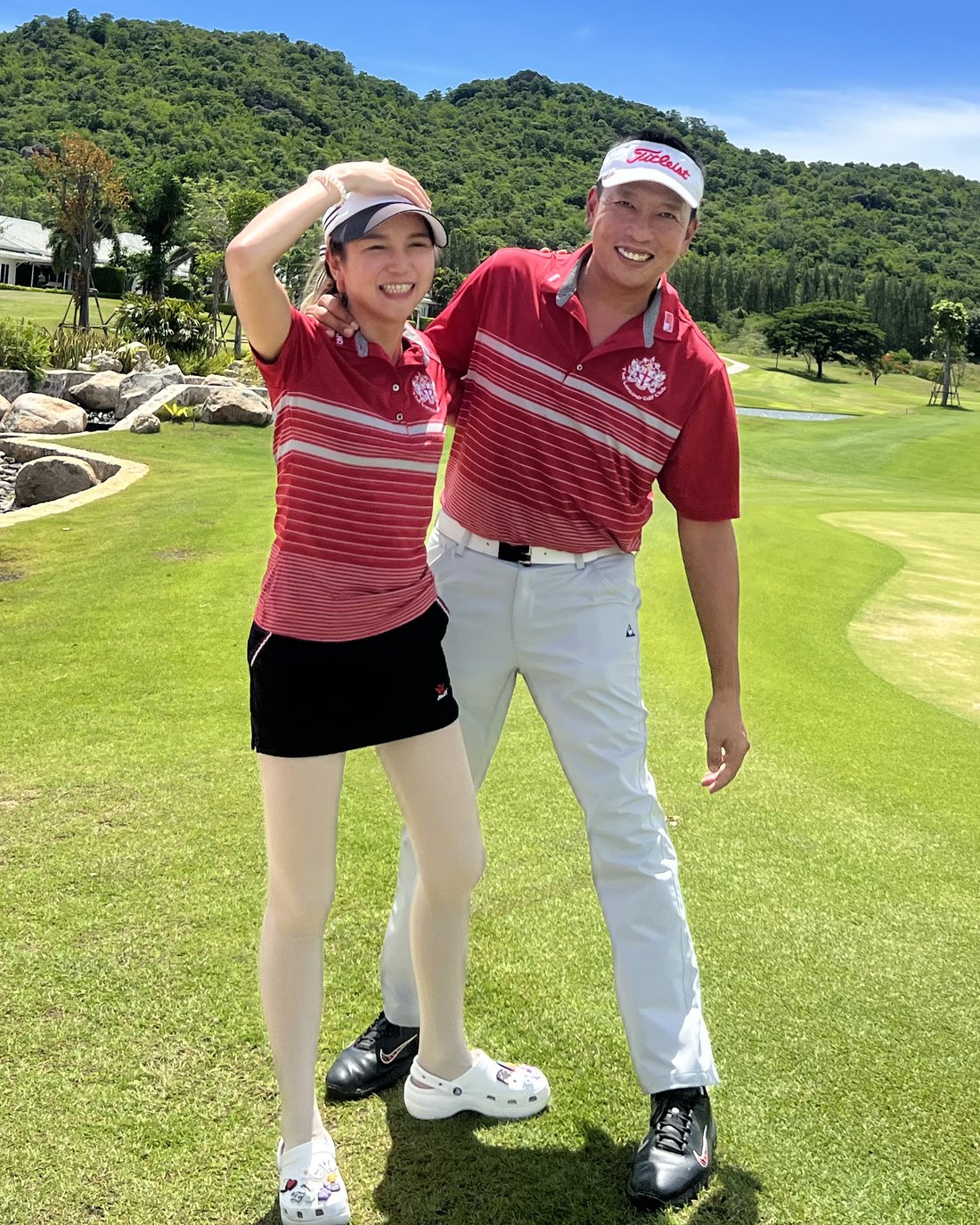
Outside of work, I spend a lot of time golfing, traveling, learning new things, and building small experiments.

I enjoy environments where I can learn quickly, iterate, and reflect.

That's also why this site exists.

Influences

I try to learn from everyone. A few people's work has especially resonated with me:

  • Gary Vaynerchuk — for his work ethic, grounded style, and practical thinking about social media and distribution
  • David Heinemeier Hansson (DHH) — for his technical perspective and clarity about software and product design
  • Nick Saraev — for how he communicates technical ideas, his consistency, and how he teaches in public
  • Jonathan Stark — for his thinking on value-based pricing, positioning, and building a sustainable consulting practice
What I'm focused on now

Right now I'm especially interested in:

AI as an operational interface layer Designing financial and operational data models that stay correct Hybrid systems (low-code + custom) What happens inside organizations after product-market fit
Client testimonial

One of the highest-volume Monday.com users in North America — close to 10,000 clients and over 30,000 orders per year.

We started by pushing Monday and Make to their limits. When they hit the 30,000-item board limits on Enterprise, it became clear they needed more control over data, performance, and system design.

We transitioned their CRM, order management, and financial reporting into a purpose-built stack, keeping Monday where it shines operationally. Then moved to fully custom software so they could own their architecture end-to-end.

Supporting them as a fractional CTO across low-code, no-code, and custom development.

Read the full case study →